Radon Gas Reduction Services Overview
Visitors will learn about Radon Gas Reduction services and how local contractors can help reduce radon levels in homes and buildings.
- - Radon mitigation services for residential homes seeking to reduce indoor radon levels.
- - Commercial property owners needing expert radon testing and reduction solutions.
- - Real estate professionals looking to ensure properties meet safety standards before sale or occupancy.
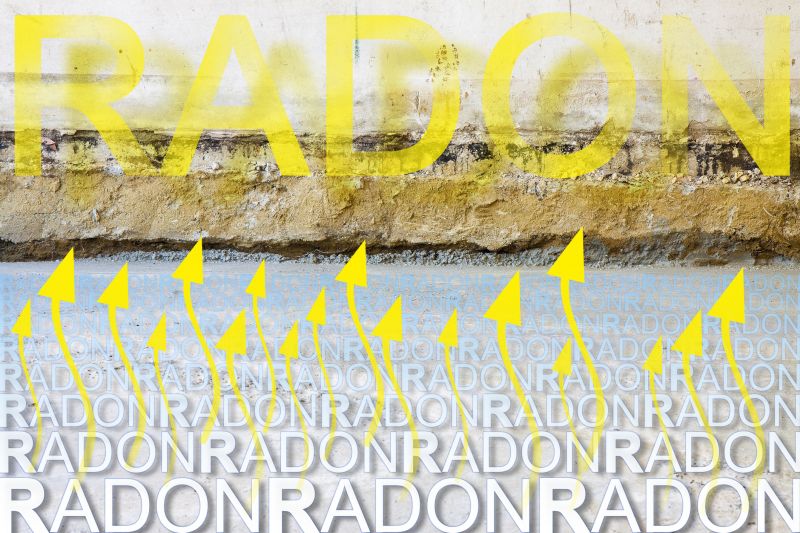
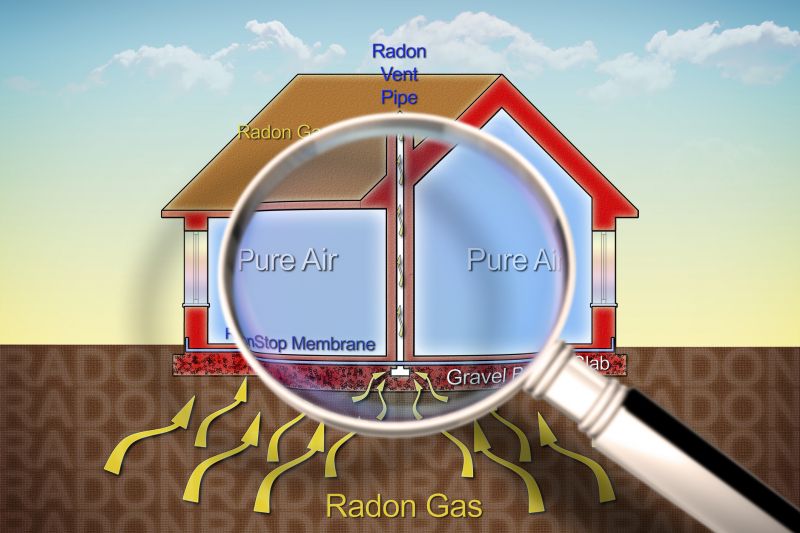
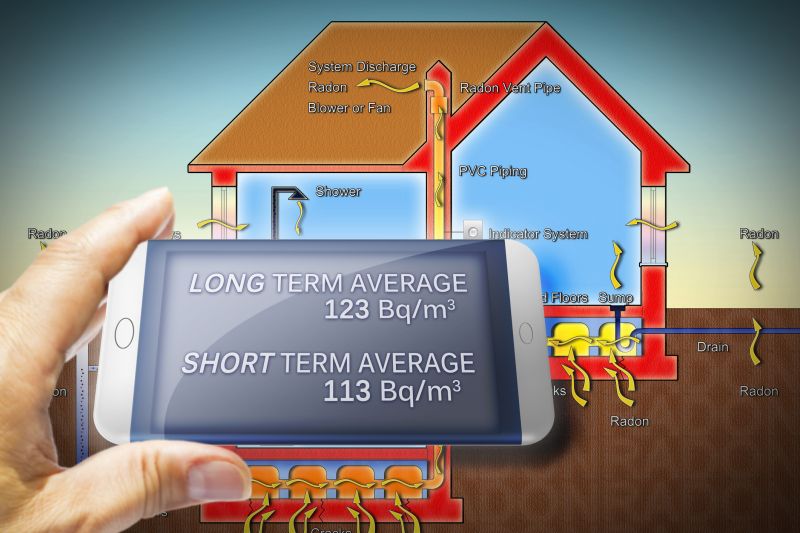
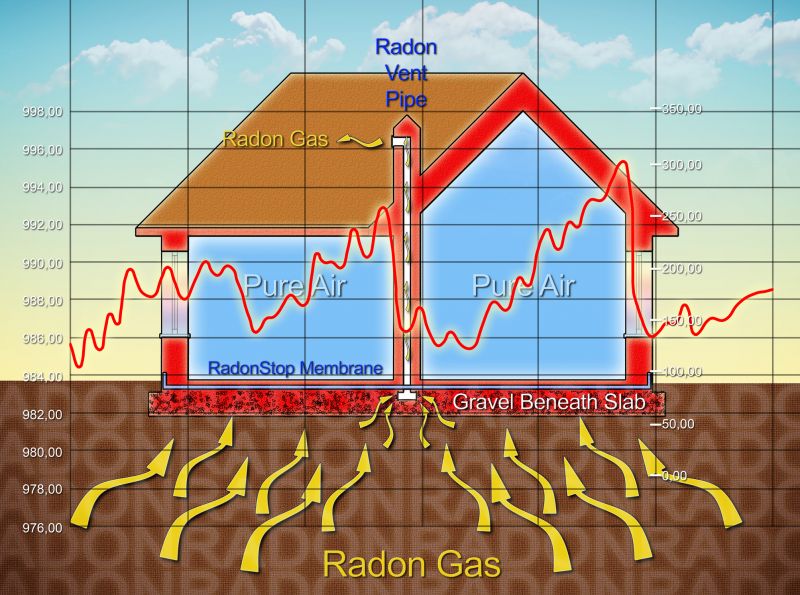
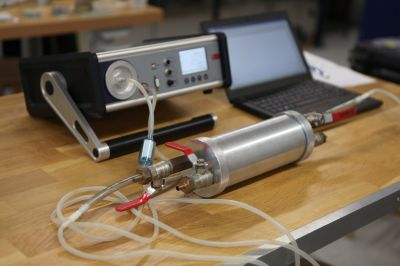
Radon gas reduction services involve identifying and mitigating elevated levels of radon within residential or commercial properties. Property owners who notice concerns about indoor air quality, or who are undertaking home inspections and renovations, often seek assistance from local contractors experienced in radon testing and mitigation. These service providers typically perform assessments to measure radon levels and implement solutions such as venting systems or sealing techniques to reduce radon concentrations, helping to create safer indoor environments.
Local pros in radon gas reduction work closely with property owners to address specific needs and conditions of each site. They are equipped to handle a range of situations, from initial testing to the installation of mitigation systems. Connecting with experienced local contractors can provide options for effective radon reduction, ensuring that the work is tailored to the property’s unique layout and requirements. This approach helps property owners find the right service providers for their radon mitigation needs, with solutions that align with their safety and health considerations.
This guide provides helpful information to understand radon gas reduction and what to consider when choosing a service provider. It assists in comparing local contractors and understanding the basics of radon mitigation projects. The goal is to help visitors gather relevant details to connect with qualified local service providers.